Education and Training

Education and Training

A-1 Scuba Diving & Snorkeling Adventures encourages and emphasizes all levels of education and training, which is the backbone of our Dive Center. All of our instructors offer students a diverse diving background and the opportunity to gain from extensive academic and water skills training. We offer various levels of diver and non-diver education.

For non-divers, there are snorkeling and skin diving courses to choose from as well as the Emergency First Response course and select DAN (Divers Alert Network) courses that offer training in First Aid and life saving techniques.

Divers and those who want to become certified scuba divers can begin learning to dive with us in our Scuba Diver certification or Open Water Diver certification. We offer divers a full array of courses to increase their knowledge and diving experiences through our continuing education courses. These courses include Adventure Diver, Advanced Open water Diver, Rescue Diver, Master Scuba Diver, Divemaster as well as a diverse compliment of specialty courses such as Deep Diver, Underwater Photographer, Night Diver, Wreck Diver and Nitrox Diver. Please see the course list and links below to find the ones that interest you.

We also offer those individuals who want to pursue professional level courses the PADI Divemaster course, Assistant Instructor Course, Open Water Scuba Instructor course as well as all of the higher Instructor level courses including Master Instructor.

Divers who want to take their diving to a different level of training and education to explore deeper depths and more challenging environments can choose to take a technical diving course. A-1 Scuba is a TDI (Technical Diving International) training facility, offering Advanced Nitrox, Decompression Procedures, Trimix a well as other Technical Diver courses. Please see the Technical Diving Course listings below.

Recreational Courses

Snorkeling can be learned and enjoyed by everyone at ANY age. We carry a large selection of snorkeling gear for children starting at age 3 to adult. Take a PADI Discover Snorkeling Course.

Open Water Diver

Advanced Open Water Diver

EFR - Emergency First Response - The EFR course is open to divers and non divers. This course offers you training in life saving techniques and how to handle injuries.

Rescue Diver

Master Scuba Diver

Divemaster - Divemaster classes are scheduled regularly and are based on the needs of the candidates. Please contact us for more information on how you can become a Dive Professional!

Assistant Instructor / (IDC)

Open Water Scuba Instructor Course (IDC)

Classes for Children are available too.

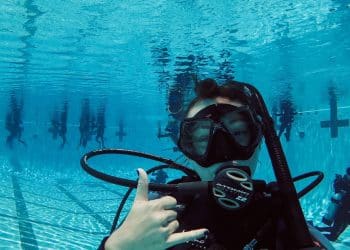
Children as young as 8 years old can enjoy breathing and playing under water in a swimming pool utilizing SCUBA gear. Call for details about our PADI BUBBLEMAKER Program and Birthday Parties. We also have children experience programs including The PADI Seal Team.

Specialty Diving Courses

AWARE Fish Identification

Boat Diver

Deep Diver

Digital Underwater Photographer

Dive Propulsion Vehicle (DPV)

Drift Diver

Dry Suit Diver

Enriched Air NITROX

Equipment Specialist

Multilevel Diver

Night Diving

Peak Performance Buoyancy

Search and Recovery

Underwater Photographer

Underwater Videographer

Underwater Naturalist

Underwater Navigation

Wreck Diving

Technical Diving Courses

Technical Diving International (TDI)

Solo Diver - One of Scuba Diving International's (SDI’s) most popular courses, the solo diver program teaches experienced recreational divers how to safely dive independently of a dive buddy. The course stresses proper dive planning and accident prevention and in the benefits, hazards, and proper procedures for diving solo.

Advanced Enriched Air Nitrox- click HERE to purchase the course manual. You will use the TDI Advanced Nitrox Diving manual for your course, which explains in an easy to understand practical manner the complex information that Advanced Nitrox divers need to know.

The TDI Advanced Nitrox Course qualifies divers to use enriched air nitrox from EAN 21 through EAN 100 to a depth of 40 meters/130 feet during dives hat do not require staged decompression. Often taught in conjunction with the TDI Decompression Procedures course, this can be considered the foundation of your technical diving career. Advanced Nitrox is also a great course for those wanting to extend their bottom times in shallower depths such as scientific diver, and a must for SCR or CCR divers.

The course cover topics include:

> Equipment requirements

> Dive planning

> Oxygen tracking
> Blending methods


Decompression Procedures-
 click HERE to purcase the manual.

As sport divers planned decompression is not something that we do or have been taught. The TDI Decompression Procedures course prepares you for planned staged decompression diving. With a maximum operating depth of 45m/150 feet, this course is your first step beyond the normal sport diving limits. Your TDI Instructor will provide you with valuable information and skills.

Topics covered include:

> Kit set-up
> Equipment requirements
> Decompression techniques
> Decompression breathing gases
> Gas management
> Contingency planning

The TDI Decompressions Procedures course combined with the TDI Advanced Nitrox course form the foundation of all other technical courses. After these two courses and some additional experience, the stage has been set for you to move onto additional technical levels. Some of the materials you will be using include the TDI Divers Guide to Decompression Procedures, US Navy or Buhlmann Air Decompression Tables (made of vinyl for easy in-water use and storage).


Extended Range Diver - Click HERE to purchase the manual. Materials for this course include the TDI Extended Range Diving Manual and the US Navy or Buhlmann Air Decompression Tables (made of vinyl for easy in-water use and storage)Certain areas of the world provide spectacular dives at depths deeper than 39m/130 feet but you will not have access (or very limited access) to helium. The TDI Extended Range course teaches you the proper techniques for utilizing compressed air as a breathing gas and with a maximum depth of 55m/180 feet you won’t have to miss those dives.

The Extended Range course will cover topics and skills including:
> Equipment requirements and configuration

> Decompression options

> Use of surface marker buoys

> Buddy rescue

> Narcosis checks and management
 

Advanced Wreck Diver -   The TDI Advanced Wreck course is the next step for any diver that has taken a wreck diver course. During this course, your TDI Instructor will teach you the proper techniques for locating and planning a penetration dive. The advanced wreck course is commonly taught with other popular TDI course such as advanced nitrox, decompression procedures, extended range, closed circuit rebreather, and trimix. The TDI Advanced Wreck Diving manual covers all the most commonly used wreck diving techniques in cold and warm water. The manual also covers team diving techniques and preservation of wrecks.

The course covers topics and skills including:
 > Use of guidelines

 > Overhead emergency procedures

 > Redundant equipment requirements

 > Locating and identifying wrecks 

 > Hazards of wreck diving

 > Surveying of wrecks

Trimix Diver - Click HERE to purchase the manual. As your motivation to explore progresses you will find that you may want to go deeper to dive that wreck that is part of history or that cave system that you have read so much about. One of the major limiting factors of going deeper is narcosis; TDI’s Trimix Diver course shows how to minimize the effects of narcosis by adding helium to offset the nitrogen in your breathing gas. While taking the Trimix Diver course your TDI Instructor will teach you how to plan and execute dives utilizing as little as 18 percent oxygen and diving to maximum depth of 60 m/200 feet with a blend of helium appropriate for the planned depth.

The course covers topics and skills including:
 > Dive team planning

 > Gas matching

 > Cylinder labeling

 > Surface marker deployment

 > Equipment configuration

 > Thermal protection options

Advanced Trimix Diver - Click HERE to purchase the manual. The TDI Advanced Trimix manual is one of the most up to date manuals and includes all the latest of technology and practices being used. The TDI Advanced Trimix Diver course is the top level of training for open circuit divers wishing to dive to depths as deep as 100 m / 330 feet utilizing hypoxic levels of oxygen (below 17 percent). This course is perhaps one of the most informative and challenging and upon completion you are among some of the most elite divers.

Your TDI Instructor will teach you:
> Equipment management

> Multiple stage cylinder labeling and placement

> Complex decompression planning and contingency planning

> Dive team awareness and communication

> Gas monitoring and management

>Use of travel gasses

 Nitrox Blender - Click HERE to purchase the manual. The TDI Nitrox Gas Blender manual will take you through the processes of blending nitrox in an easy to read and understand format. Additional support materials include the SDI/TDI Gas Blending Log. In the TDI Gas Blender Course, you will receive a foundation of skills and knowledge that is needed to blend enriched air nitrox for recreational divers. You will be prepared to blend breathing gases up to 40 % Oxygen after a thorough review of academic materials and demonstrating proficiency in blending enriched air nitrox and the proper labeling of nitrox cylinders.

Topics include:
> Responsibilities of the gas blender

> Oxygen handling

> Gas production equipment and oxygen analyzing


Advanced Nitrox Blender -
Click HERE to purchase the manual. The TDI Advanced Gas Blender manual will build your academic knowledge and act as a great resource manual for future reference. Also available is the SDI/TDI Gas Blending Log. Building upon the TDI Gas Blender Course, the next step is taken in the TDI Advanced Gas Blender Course where you will develop and master the skills and knowledge needed to produce custom mix gases for technical diving that include helium. You will be prepared to blend breathing gases after a thorough review of academic materials, including:


> Formulas

> Gas analysis

> Blending equipment

> Blending systems

> Oxygen handling

Courses for Divers and Non-Divers  

Emergency First Response (EFR) Course

The Emergency First Responder Course is a comprehensive course that trains people in CPR, First Aid, serious bleeding management, spinal injury management, illness and injury assessment, and bandaging, and may also include AED (Automated External Defibrillator) use and O2 (Oxygen) administration. This course is available to divers and NON-Divers and has no minimum age requirement because children and adults can benefit from learning life saving skills.

  Divers Alert Network (DAN)

A-1 SCUBA Diving Offers
the following programs at both Provider and Instructor Levels:

Oxygen First Aid for Scuba Diving Injuries: This course trains divers in the recognition and management of possible diving-related injuries using emergency oxygen first aid.

Oxygen First Aid for Aquatic Emergencies: This Course trains non-divers and professional rescuers (such as lifeguards) to recognize near drowning / submersion incidents and provide basic life support including the use of oxygen first aid.

Advanced Oxygen First Aid for Scuba Diving Injuries: This advanced level program is designed to train existing DAN Oxygen providers to use the MTV-100 (resuscitator mask) or a bag valve mask while providing care for a non-breathing injured diver.

First Aid for Hazardous Marine Life Injuries: Serious marine life injuries are rare, but occasionally divers unintentionally encounter hazardous marine life and experience minor discomforts. This course teaches divers to minimize these injuries and reduce diver discomfort and pain by treating the injury properly.

Automated External Defibrillator's for Scuba Diving: This course teaches divers and other interested parties to provide care for sudden cardiac arrest including the use of an automated external defibrillator (AED).

Automated External Defibrillator's for Aquatic Emergencies: This course focuses on training people to use an automated external defibrillator in an aquatic environment.

Basic Life Support for Dive Professionals: This program trains divers for more advanced levels of care than are offered by traditional or entry-level CPR programs due to the remote nature of dive accidents.

Remote Emergency Medical Oxygen (REMO2): The DAN REMO2 system is an addition to the DAN Oxygen Provider for Scuba Diving Injuries course. Based on medical closed-circuit oxygen rebreather technology, the REMO2 device provides injured divers with high concentrations of emergency oxygen for extended periods of time. This training course instructs the Oxygen Provider in the use of DAN’s new REMO2 system.

Diving Emergency Management Provider Program: This is an all inclusive program that trains divers to handle diving emergencies and administer First Aid, CPR and use Oxygen and Automated External Defibrillator's as needed. 

Back
Copyright © 2012 A1ScubaGear
Parse Time: 0.986 - Number of Queries: 136 - Query Time: 0.317810937958